
If I Had 30 Days to Find Paying Clients Online With $0 to Spend, These Are the 5 Places I’d Look First
If I had 30 days to find paying clients online and no money to spend on ads, I wouldn't spend all my time competing for jobs on Fiverr and Upwork.
I'd look for businesses that are already investing in growth, companies with problems I know how to solve, and founders building products that need help reaching more customers.
The reason is simple: you don't always have to wait for someone to post a job before you can find work.
You can identify businesses that need your skills, understand what they're struggling with, and approach them with a solution.
Here are five places I'd start.
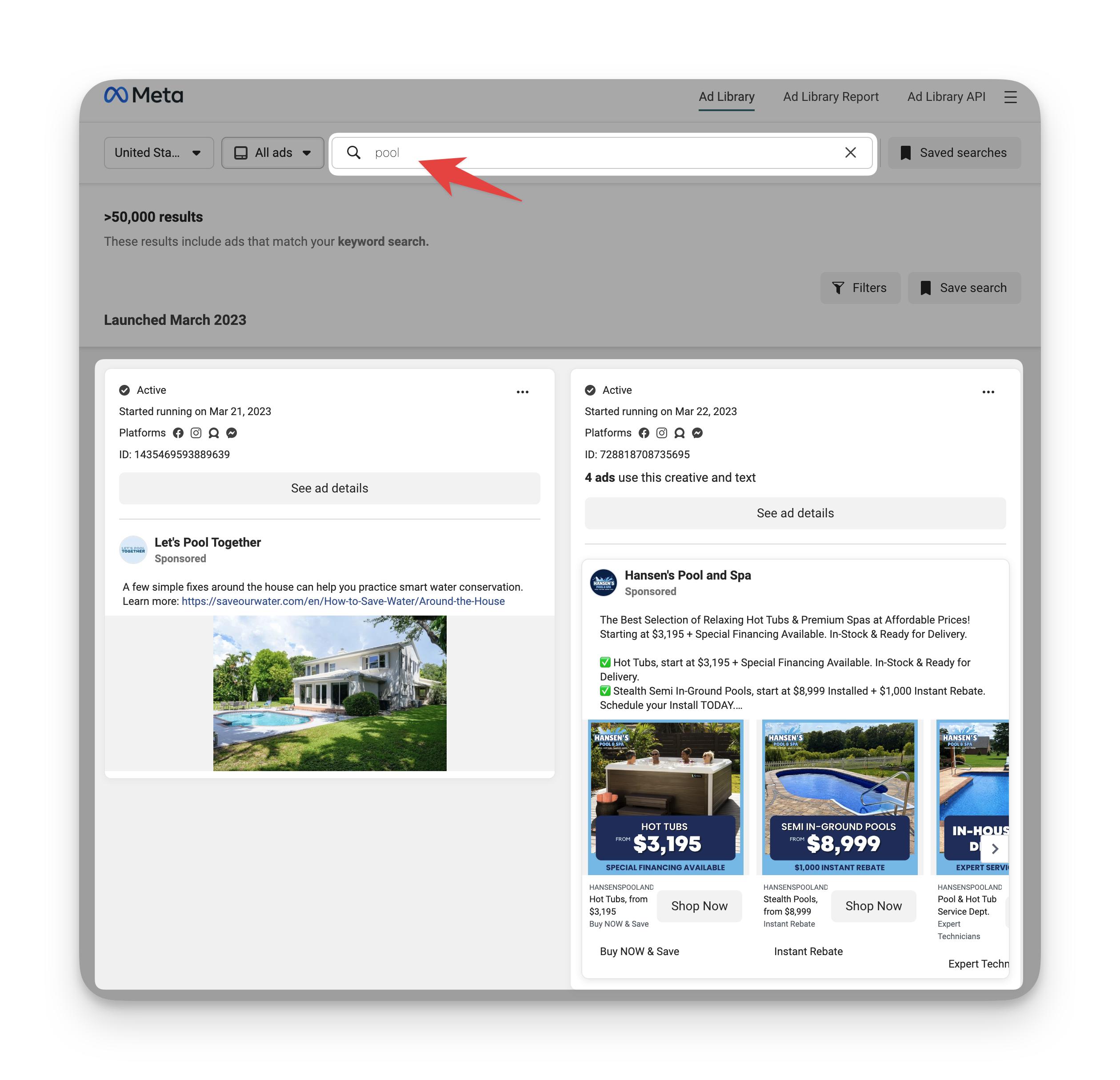
1. Facebook Ads Library
Look for businesses that are already investing in getting customers.
Facebook Ads Library allows you to search for ads running across Meta's platforms.
I'd use it to find businesses advertising their products or services, study their offers, and look for opportunities to help them improve their marketing.
For example, if you're a digital marketer, you could examine how a business presents its offer and where its advertising could be improved.
If you're a web developer, you could check the landing page the business sends people to. A poorly designed or confusing page could be an opportunity to offer your services.
You can also look at how long an ad has been running. That gives you useful context about the campaign, although it doesn't prove the ad is profitable or that the business needs help.
The goal isn't to message every advertiser you find. It's to identify businesses where your skills could make a difference.
2. Google Business Profile
Find local businesses and look for gaps in their online presence.
Open Google Maps and search for businesses in a particular industry and location.
You could search for dental clinics in London, restaurants in Lagos, real estate agencies in Toronto, or any other business category that fits your services.
Then look at their profiles.
Are important business details missing? Are their descriptions incomplete? Are their photos outdated? Do they have a website that needs improvement? Are there recurring questions from customers that the business isn't addressing?
These observations can help you identify opportunities for website development, local SEO, Google Business Profile optimisation, and other digital services.
You don't need to wait for a business owner to announce that they need a freelancer. You can do the research yourself and approach them with a specific, relevant offer.
3. Trustpilot
Use customer feedback to understand where businesses are falling short.
Trustpilot is a review platform where customers share their experiences with businesses.
Those reviews can reveal recurring issues with communication, customer service, delivery, websites, and other parts of the customer experience.
Let's say you're a web developer and you notice customers repeatedly mentioning that a company's website is difficult to use. That might give you a reason to investigate its website and see whether there's an improvement you could offer.
If you're a copywriter or marketer, you might notice customers struggling to understand a product or its pricing.
The important thing is to look for patterns rather than build an entire pitch around one negative review.
Research the business, understand the problem, and approach it professionally. A customer complaint is a starting point for investigation, not proof that the business needs your particular service.
4. Product Hunt
Find founders launching products and bringing new ideas to market.
Product Hunt is a platform where new technology products and digital tools are launched and discovered.
It's worth exploring if you're a web developer, designer, copywriter, SEO specialist, or digital marketer.
Think about what happens when a founder launches a product. They may need a better website, stronger messaging, content, search visibility, lead generation, or a plan to attract their first customers.
Explore products relevant to your skills. Visit their websites, learn what they do, and research the teams behind them.
Then ask yourself: What could I help this business improve?
Perhaps you can help clarify its landing page messaging. Maybe you can improve its SEO or help build a customer acquisition strategy.
Whatever your service is, make sure your pitch connects directly to the business you're approaching.
Founders receive plenty of generic messages. A specific idea that shows you've taken the time to understand their product gives them a better reason to pay attention.
5. LinkedIn Jobs
Look beyond the job application and pay attention to what companies need.
LinkedIn Jobs is useful for more than finding full-time employment.
You can search for companies hiring for roles related to your skills and use those listings to understand what the businesses need.
For example, if you're a freelance digital marketer, search for companies hiring SEO specialists, content marketers, or performance marketers.
Read the job descriptions. What responsibilities keep appearing? What goals is the company trying to achieve? Which of those needs could you address through a freelance or contract arrangement?
Some companies need a full-time employee and won't be interested in outsourcing. Others may be open to contract support, depending on their situation.
The point is to identify relevant opportunities and approach companies where your services make sense. Be transparent about offering freelance or contract support rather than presenting yourself as an applicant for a role you don't want.
Finding potential clients is only the beginning
There's something important to understand about all five platforms.
Finding a business doesn't automatically mean you'll get a client.
You still need to identify a problem the business actually has, understand how that problem affects it, and communicate how you can help.
That's where many freelancers struggle.
They find a business, send a message saying, "Hello, I'm a web developer. Do you need a website?" and wonder why nobody responds.
A better approach starts with research.
Understand the business. Identify a relevant problem. Explain what you've noticed and how you could help address it.
You don't need to write a long pitch or convince every business to work with you. You need to make your offer relevant to the person receiving it.
A final thought
If I had 30 days and no budget for ads, I'd choose one or two of these platforms, research businesses consistently, and focus on starting meaningful conversations.
I wouldn't spend the entire month collecting contact details. I'd spend time understanding the businesses I wanted to work with and developing better ways to approach them.
You don't need to be on every platform. You need to know where to look, what to look for, and how to turn what you discover into a relevant offer.
And if finding potential clients is something you're struggling with, that's one of the reasons I put together Problem Finder's Playbook.
It covers more places to find clients online, how to identify problems businesses need help with, and how to approach potential clients.
You can get your copy here: [Insert your Problem Finder's Playbook link].
I'd also love to hear from you: Which of these five places have you used to find clients, and what was your experience?



Written by Rasheed Muraina
Lead Strategist & Educator at AI Hustle Blueprint.